 MUNDURUCU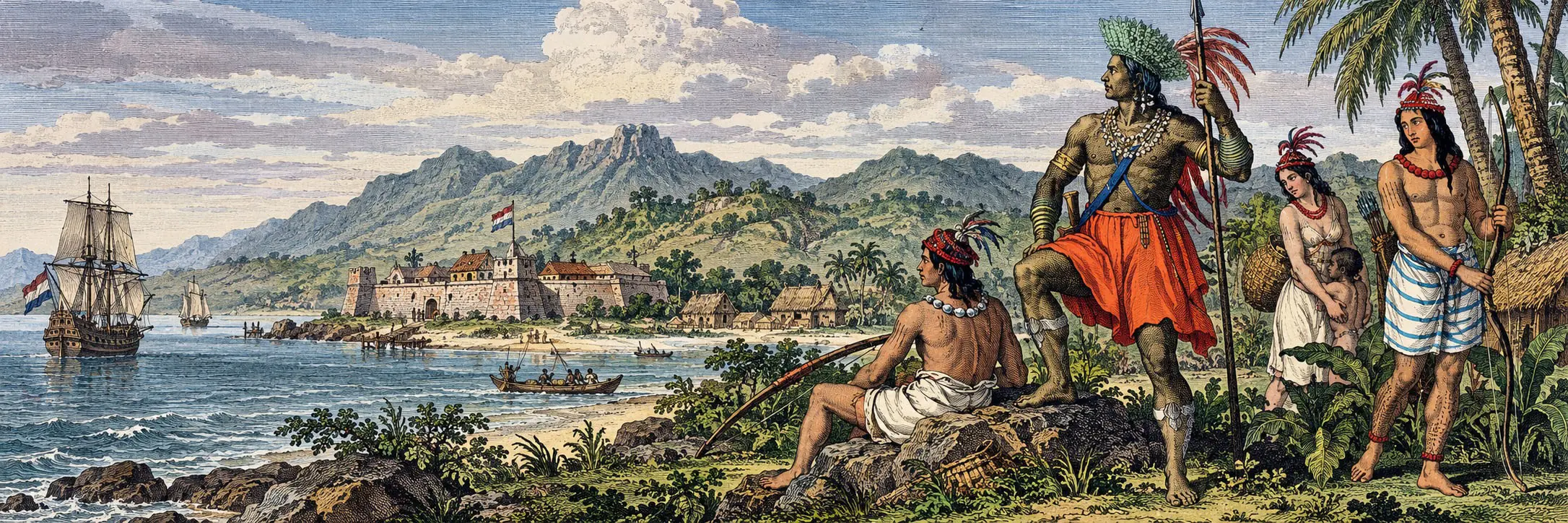
Taiwan, historically called Formosa by Europeans, is an island with many Indigenous peoples, each with distinct languages and traditions. Tattooing was particularly important among the Atayal and Paiwan.
Atayal facial tattoos, known as ptasan, showed maturity and belonging. Historical accounts link men's right to receive them with hunting achievements and women's with weaving skill. The marked face could also identify someone to their ancestors after death.
Paiwan traditions followed a different system, including body tattoos associated with standing and inherited rights. Jewellery, weaving and carved designs added other forms of decoration. These were separate traditions, not one general Taiwanese tattoo style.
Colonial restrictions interrupted tattooing and the passing on of skills. Photographs and remembered stories preserve part of that history, while cultural work continues today. The faces in these pictures carry the results of a demanding process, undertaken for reasons that mattered within their own communities.